Hector Gomez / Journal
Maximizing Efficiency and Cost-Effectiveness with Airline Cargo Rates
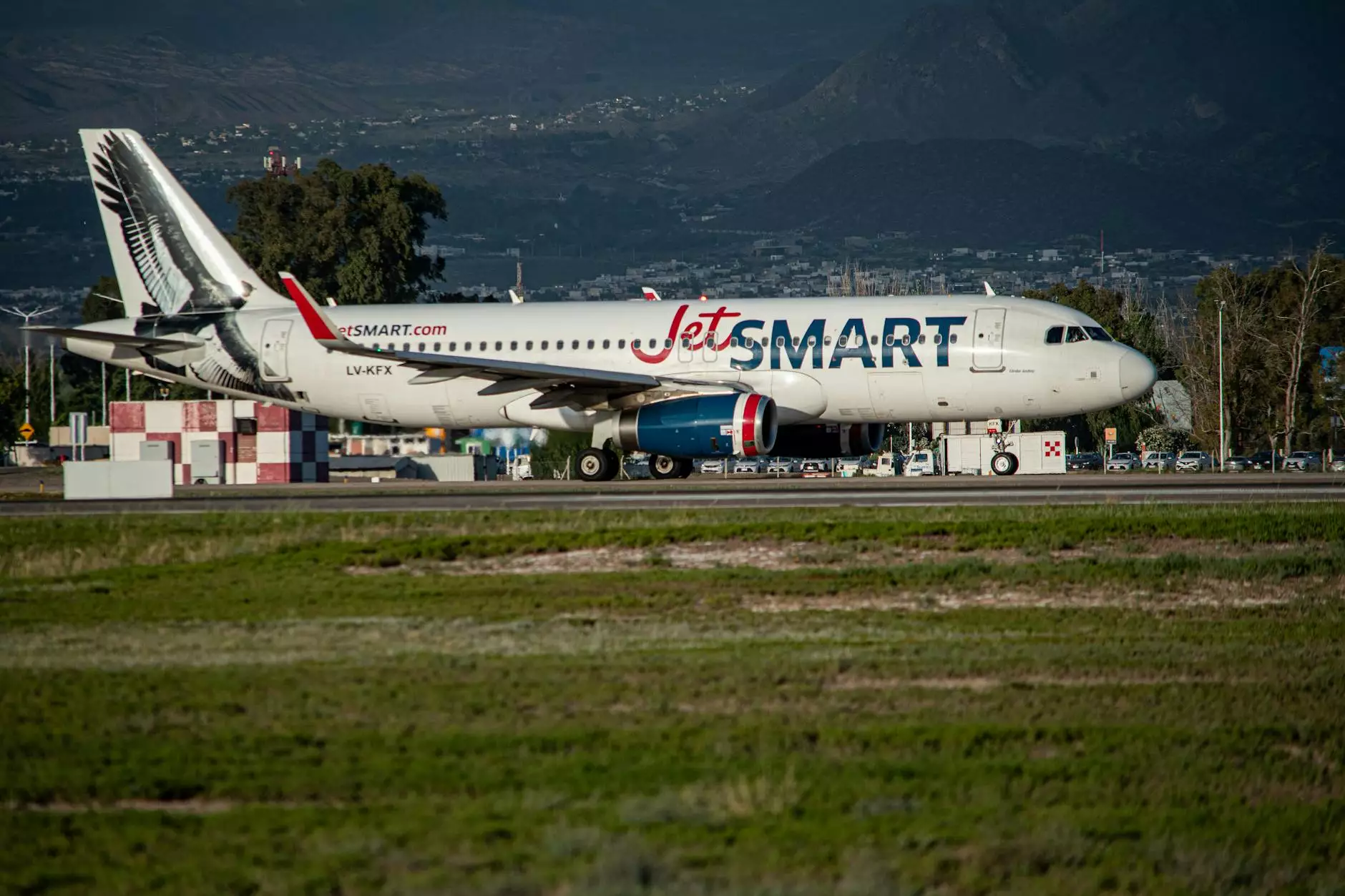
In today's rapidly evolving global marketplace, airline cargo rates stand at the core of effective logistics and supply chain management. As businesses increasingly rely on air freight to meet demanding delivery schedules, understanding the nuances of airline cargo pricing becomes essential for optimizing costs and enhancing operational efficiency. Whether you operate a small enterprise or a multinational corporation, leveraging insight into factors influencing airline cargo rates can significantly impact your bottom line.
Understanding the Fundamentals of Airline Cargo Rates
Airline cargo rates refer to the fees charged by airlines for transporting goods via air freight. These rates are not static; they fluctuate based on multiple variables including market demand, fuel prices, weight and volume of cargo, route specifics, and seasonal considerations. The core objective of airlines is to balance profitability with competitiveness, which makes understanding how these rates are formulated crucial for shippers and logistics providers alike.
The Core Components Influencing Airline Cargo Rates
To better grasp how airline cargo rates are determined, it is essential to analyze the key factors that impact pricing. These include:
- Distance and Route: Longer routes attract higher fees due to increased fuel consumption and operational costs. Transcontinental or intercontinental flights tend to be more expensive compared to regional routes.
- Weight and Volume: The chargeable weight is often calculated as the greater of actual weight or volumetric weight. Larger or bulkier cargo increases rates accordingly.
- Fuel Prices: Fluctuations in fuel costs directly influence airline operating costs, thus affecting airline cargo rates.
- Market Demand and Capacity: High demand or capacity constraints drive prices upward, especially during peak seasons or global disruptions.
- Type of Cargo: Specialized or hazardous cargo that requires additional handling or safety measures commands higher rates.
- Seasonality: Seasonal peaks such as holidays or harvest seasons can temporarily inflate airline cargo rates due to increased demand.
- Regulatory and Security Charges: Additional fees for customs, security, and regulatory compliance can influence overall costs.
Innovative Strategies to Optimize Airline Cargo Rates
In an increasingly competitive environment, smart strategies are vital for companies seeking to manage shipping costs effectively. Here are practical methods to optimize airline cargo rates:
1. Consolidation of Cargo
By consolidating smaller shipments into larger containers or pallets, shippers can negotiate better rates thanks to increased volume. Consolidation also reduces per-unit costs, making freight more economical.
2. Flexible Scheduling and Routes
Leveraging flexible shipping schedules and alternative routes can help avoid peak periods and premium pricing zones. Using less congested airports or charter options might also result in lower fees.
3. Pack Efficiently
Optimizing packaging to reduce volumetric weight directly impacts shipping costs. Using lightweight yet durable packing materials allows for maximizing weight limits within volume constraints.
4. Partner with Experienced Cargo Agents
Engaging with reputable cargo booking agencies like cargobooking.aero provides access to competitive rates, detailed route analysis, and expert negotiation leverage with airlines.
5. Utilize Technology and Real-Time Rate Comparison
Adopting advanced freight management software enables instant comparison of airline cargo rates across multiple carriers, ensuring cost-effective routing and booking decisions.
The Role of Cargo Booking Platforms in Reducing Costs
Modern cargo booking platforms, such as cargobooking.aero, are revolutionizing the freight industry by providing real-time access to airline cargo rates, route options, and capacity availability. These platforms connect shippers directly with airlines and service providers, leading to:
- Transparent Pricing: Accurate, up-to-date rates helping businesses avoid hidden fees.
- Streamlined Booking: Simplified process reducing administrative overhead and delays.
- Access to Global Networks: Broader options for different routes, carriers, and service levels.
- Cost Savings: Competitive rates clarified instantly, leading to better budgeting and expense control.
Future Trends in Airline Cargo Rates and Logistics
The logistics industry is poised for continuous evolution, influenced by technological innovations, environmental considerations, and geopolitical shifts. Key trends influencing airline cargo rates include:
- Digital Transformation & AI: Enhanced data analytics enable airlines and shippers to forecast costs more accurately and optimize routes dynamically.
- Environmental Regulations: Increased emphasis on sustainability may lead to higher costs due to the adoption of greener technologies, which could influence cargo rates.
- Growth of E-Commerce: The surge in online retail fuels demand for rapid air freight, potentially elevating airline cargo rates during certain seasons.
- Supply Chain Resilience: Post-pandemic recovery emphasizes redundancy and flexibility, possibly affecting pricing structures with premiums for expedited or guaranteed services.
How to Choose the Right Airline Cargo Partner for Your Business
Selecting an airline cargo partner requires careful consideration beyond just airline cargo rates. Here are critical criteria:
- Reputation and Reliability: Consistent service levels and positive customer feedback indicate trustworthy operators.
- Range of Services: Compatibility with your specific cargo needs, including handling hazardous materials, perishables, or oversized items.
- Network Coverage: Extensive route options ensuring seamless international or regional delivery.
- Digital Capabilities: Integration with your logistics software and transparent rate structures.
- Customer Support: Responsive service teams that assist in booking, tracking, and problem resolution.
Conclusion: The Power of Strategic Freight Management
In the complex world of air freight, a thorough understanding of airline cargo rates and the variables influencing them provides a competitive edge. By utilizing advanced booking platforms, consolidating shipments, optimizing packaging, and fostering strategic partnerships, businesses can significantly reduce costs, improve delivery times, and expand their global reach.
Embracing innovation and strategic planning in cargo logistics empowers your enterprise to navigate fluctuating market dynamics effectively. Whether operating within domestic markets or executing worldwide distribution, mastering airline cargo rates is pivotal to sustainable growth in the logistics industry.
Explore further solutions and get tailored freight quotes at cargobooking.aero—your gateway to optimized, cost-effective air cargo logistics.
airline cargo rates